 (602) 279-5262
(602) 279-5262
(602) 279-5262
NATIVE HEALTH provides a variety of food programs to address food insecurity. For more information contact Susan Levy at (602) 279-5262, ext. 11027 or email: slevy@nachci.com
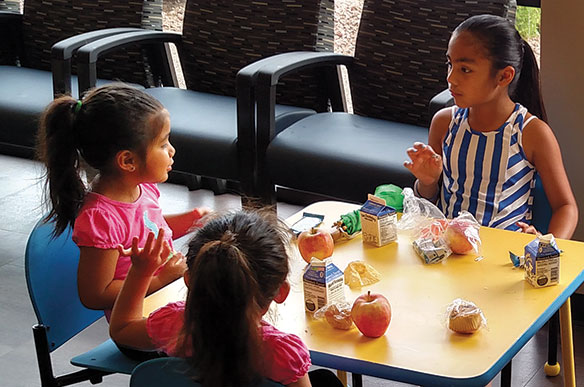
Available at NATIVE HEALTH Central and NHW Community Health Center, the Backpack Program provides a bag of nutritious, easy-to-prepare, non-perishable food to school-age children and their families to ensure children receive the nutrition they need at home. Funded by St. Mary’s Food Bank. For more information contact Gabby at (602) 279-5262, ext. 11011.
Product Detail:
Who Qualifies? Food Insecure Children and Families:
These kits include disposable pans, box cake mixes, frosting, paper birthday plates and napkins, candles, birthday cards, garland, and more. Once we receive the donations, NATIVE HEALTH staff assemble the kits and distribute them at our food pantries. To donate, click here to visit our Wish List on Amazon.com.
The Commodity Senior Food Program at our NATIVE HEALTH Central and NATIVE HEALTH Mesa locations are currently full. Please reach out to your interested site to join our waiting list.
The Commodity Senior Food Program (CSFP) is a federally funded, USDA regulated food program that provides monthly supplemental nutrition boxes for qualifying, low-income, enrolled seniors aged 60 years and older. Provided by St. Mary’s Food Bank (Central) and United Food Bank (Mesa).
Product Detail:
Who Qualifies?
For more information call Olivia at (602) 279-5262, ext. 11022 or email: oljoe@nachci.com
The Emergency Food Assistance Program (TEFAP) is a federally funded, USDA regulated food program that provides monthly fresh and non-perishable food to supplement the diets of individuals from low-income households. Provided by United Food Bank. Available at at our NATIVE HEALTH Mesa location.
Product Detail
Who Qualifies?
For more information call Susan at (602) 279-5262, ext. 11027.
 We’re thrilled to partner with the University of Arizona Culinary Medicine to bring you our newest program, “Food For Thought”. This program will include weekly videos featuring healthy Indigenous recipes. Find previous videos on the video tab of NATIVE HEALTH’s Facebook page, YouTube or click here.
NATIVE HEALTH partners with United Food Bank, and Midwest Food Bank to address food insecurity issues. Located at NATIVE HEALTH Mesa, 777 West Southern Avenue, Building B (South Side) in Mesa.
EXPANDED HOURS: Monday-Friday, 8:30 a.m.-noon and 1:30 p.m.-3 p.m.
Kid’s snacks are available at NATIVE HEALTH Mesa and NATIVE HEALTH at Walupe Health Center, inside the clinics, during clinic hours, from United Food Bank. Please ask at the front desk for children’s snacks. Available for anyone under 18.
Read It and Eat offers a fun approach to developing literacy and culinary skills. There is an Indigenous story time, craft, and families learn how to make a simple, healthy recipe. The story time (Read it) engages the youth before moving into the second half of the program (Eat). During the (Eat) portion, youth and their families prepare and taste new culinary dishes. A single theme is carried through both halves of the program, creating an integrated educational experience. Read It and Eat fills the gap of kindergarten readiness programs for families without other means, while teaching families the importance of nutrition, family cooking, and the risks of childhood obesity. Generously funded by Nina Mason Pulliam Charitable Trust. Read it and Eat takes place on the first Tuesday of the month at NHW Community Health Center, the third Tuesday of the month at NATIVE HEALTH Mesa and on the fourth Thursday of the month at NATIVE HEALTH Central. Participating families take home a bag of produce at the end of each class. All families with young children are invited to attend this class.
For more information or reservations please contact Gabby at: gherndandez@nachci.com
*****This program is dependent on donor funding for 2026*********
Indigenous Young Chefs in the Kitchen is a supplemental summer food program. This program consists of a weekly produce and food bag for 50 Native American families with children and aligns with a weekly online Indigenous story time, Indigenous craft, Indigenous recipe and food demo. Videos are broadcasted on our Facebook page. This program is dependent on donor funding and has not yet been funded for 2026.
For more info, please contact Susan at slevy@nachci.com.
*** Program availability is DEPENDENT on FUNDING***
Program Description: The URBAN Native American Senior Food Bag Program is open to selected Native American elders in Maricopa County. Funding availability affects availability of bags provided each month. When bags are available Food Pantry staff will contact selected people to pick up bags available. Funded by private donors and organizations.
For more information call Olivia at (602) 279-5262, ext. 11022 or email: oljoe@nachci.com
NATIVE HEALTH has been recognized nationally as a pioneer in our commitment to address food insecurity for families in the communities we serve. Volunteers are always welcome.
Emergency food assistance does not end hunger, but your financial support makes a difference! To make a donation please visit our Donation page.
In accordance with federal civil rights law and U.S. Department of Agriculture (USDA) civil rights regulations and policies, this institution is prohibited from discriminating on the basis of race, color, national origin, sex (including gender identity and sexual orientation), disability, age, or reprisal or retaliation for prior civil rights activity.
Program information may be made available in languages other than English. Persons with disabilities who require alternative means of communication to obtain program information (e.g., Braille, large print, audiotape, American Sign Language), should contact the responsible state or local agency that administers the program or USDA’s TARGET Center at (202) 720-2600 (voice and TTY) or contact USDA through the Federal Relay Service at (800) 877-8339.
To file a program discrimination complaint, a Complainant should complete a Form AD-3027, USDA Program Discrimination Complaint Form which can be obtained online at: https://www.usda.gov/sites/default/files/documents/USDA-OASCR%20P-Complaint-Form-0508-0002-508-11-28-17Fax2Mail.pdf, from any USDA office, by calling (866) 632-9992, or by writing a letter addressed to USDA. The letter must contain the complainant’s name, address, telephone number, and a written description of the alleged discriminatory action in sufficient detail to inform the Assistant Secretary for Civil Rights (ASCR) about the nature and date of an alleged civil rights violation. The completed AD-3027 form or letter must be submitted to USDA by:
This institution is an equal opportunity provider.